
Procedures
OTOPLASTY
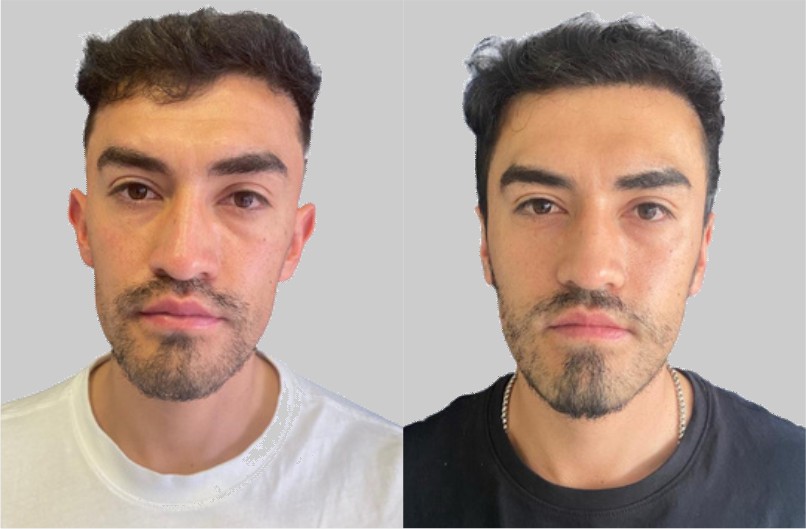
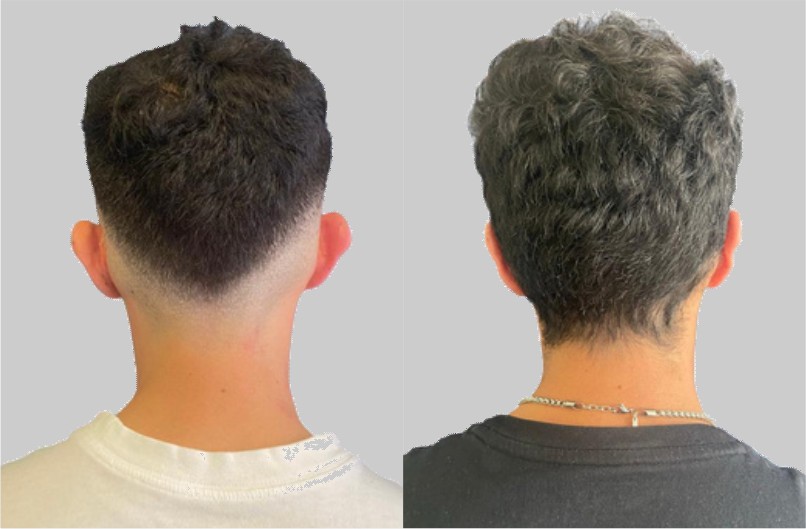
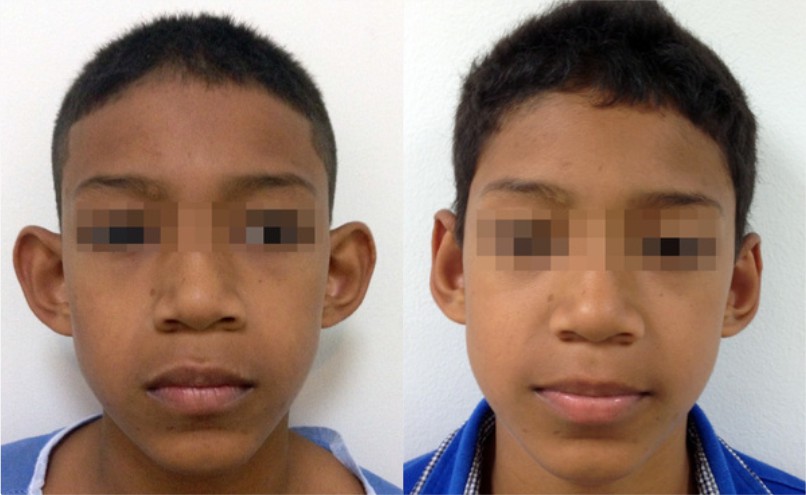
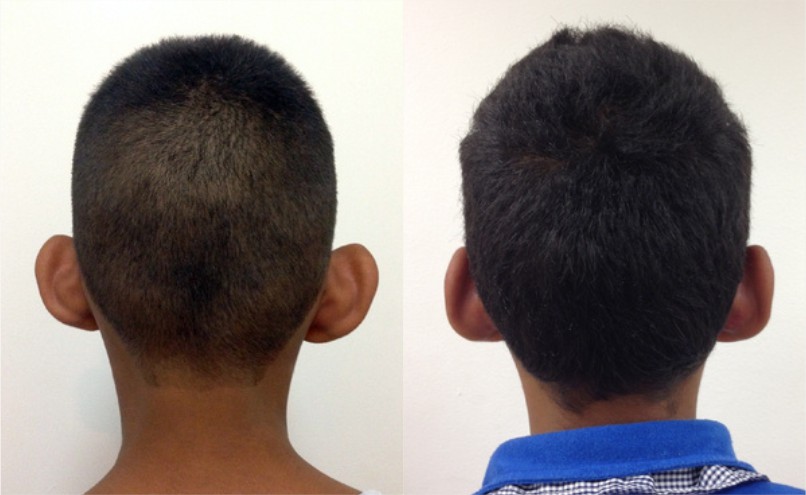
The surgery aims to correct ear deformities caused by missing, poorly defined, or disproportionate cartilage structures, as well as excessive skin in the case of earlobes. These issues can lead to ears that are overly large, with irregular positioning, asymmetry, or prominent areas
The surgical procedure:
During this procedure, incisions are made behind the ears to address any cartilage-related issues. The necessary corrections are then made, which may involve either removing or increasing the folds of the cartilage. If there are any alterations in the lobe, particularly for large or attached lobes, adjustments are made at the lobe's insertion point, with efforts made to camouflage any resulting scars. In cases where the goal is to reduce the size of the lobe, a wedge resection is performed, resulting in a more visible scar in the form of a line. However, the appearance of this scar can be improved with the use of healing creams and silicone sheets. After the procedure, the patient will have dressings and bandages in place for the recovery process.
Duration
2 hours and it is ambulatory.
Medical inability
7 days
Anesthesia
General in children and with local anesthesia plus sedation in adults.
Hospitalization
Does not require
Care
You will need to wear a headband 24 hours a day for the first month, and then only at night for one more month to help maintain the new position of your ears. Exposure to the sun is not recommended for at least the first 3 months. Pain medication will be prescribed for pain management, and antibiotics will be provided to prevent infection. The stitches will be removed after 15 days.


Common Questions
No, también puede hacerse en adultos que deseen mejorar la forma o posición de sus orejas.
Permite modificar tamaño, forma o proyección según el caso.
Generalmente no, porque las cicatrices quedan ocultas detrás de la oreja.